Quick answer
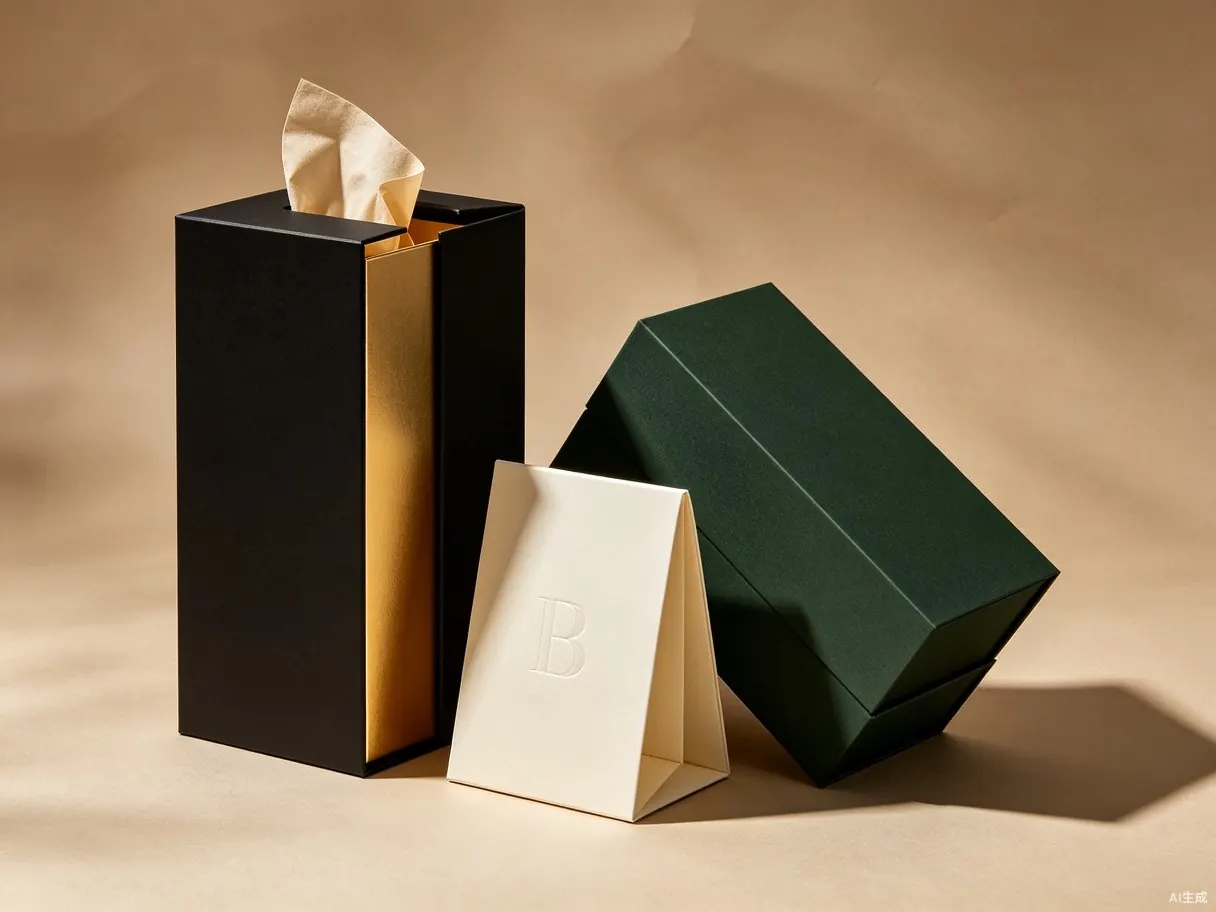
Choose a rigid box when the packaging is part of the gift experience, the product needs stronger presentation, or the customer expects the package to be kept. Choose a folding carton when you need a lighter, more efficient format for retail shelves, ecommerce shipping, refills, secondary packaging or larger rollouts.
For many brand systems, the best answer is a mix: a rigid gift box for hero SKUs, folding cartons for daily SKUs, and a coordinated bag, insert or card system to keep the range visually consistent. You can compare common structures on the FOLDLANE products page.
When rigid boxes work best
Rigid boxes are built from heavier board wrapped with printed or specialty paper. They feel more substantial because the structure is already formed before the product is packed. This makes them strong for jewelry sets, fragrance discovery kits, premium gift sets, limited editions and high-margin products where the unboxing moment matters.
The tradeoff is efficiency. Rigid boxes usually take more space in storage and shipping, involve more hand assembly, and can require higher setup effort for inserts, magnets, ribbon pulls or wrapped details. If your product is low-margin, fast-moving or shipped in very high volume, the package may become too heavy for the business model.
When folding cartons work best
Folding cartons are printed and cut flat, then folded into shape. They are common for beauty, fragrance refills, candles, accessories, food-safe secondary packaging, retail multipacks and ecommerce-friendly product cartons. The main advantage is manufacturing and logistics efficiency: flat shipping, faster assembly and easier storage.
A carton can still feel premium. Board choice, paper texture, spot color control, foil, embossing, window patches and inner printing can lift the final result. The key is to avoid asking a carton to behave like a rigid gift box. If the product is heavy, fragile or loose inside the structure, insert design becomes more important.
Comparison table
| Decision point | Rigid box | Folding carton |
|---|---|---|
| Brand feel | Strong gift value, heavier hand feel, keepsake potential. | Clean retail feel, efficient for broader SKU ranges. |
| Storage and shipping | Bulky after assembly; higher freight and storage impact. | Ships flat; easier to store and scale. |
| Product protection | Good structure, especially with inserts or trays. | Good for lighter items; needs insert planning for fragile products. |
| MOQ pressure | Can be higher due to wrapping, board, tooling and assembly setup. | Often more flexible, but print method and board purchase still matter. |
| Best use | Hero products, gift sets, jewelry, fragrance, luxury kits. | Retail cartons, refills, ecommerce units, larger SKU systems. |
Sampling checklist before you decide
- Confirm product dimensions, weight and how the item sits inside the box.
- Decide whether the box needs to survive direct shipping or only retail handling.
- Check if the packaging needs an insert, sleeve, ribbon pull, window, hang tab or divider.
- Share target order quantity, launch timeline and whether this is a hero SKU or full range.
- Ask for material and finish options before locking artwork, especially for foil or textured paper.
When you are ready to compare structures, send dimensions, reference images and target use through the custom project form. If you are still exploring, start with Packaging Systems to see how boxes, bags, inserts and collateral can work together.
Production note
This guide is based on packaging review patterns FOLDLANE uses when preparing manufacturing quotes. Final structure, MOQ and cost are confirmed through sample approval, production review and artwork checks.
Need a format recommendation?
Share product size, target quantity, reference images and launch timeline. We aim to reply within 1 business day.