Quick answer
A useful packaging brief should include product size and weight, desired packaging format, target quantity, launch timeline, material or finish preferences, artwork status, reference images, shipping context and any must-have constraints. If you do not know the exact structure yet, explain the use case and send product photos or dimensions.
The goal is not to make the buyer resolve every production detail. The goal is to remove guesswork so the first recommendation is close enough to sample. You can submit these details through the FOLDLANE project form.
Start with product details
Packaging starts around the item, not around a mood board. Send product dimensions, product weight, whether the item is fragile, and how many pieces need to sit inside one package. If the product is a bottle, jar, candle, jewelry set or accessory kit, include cap height, widest point, product orientation and any surface that should not rub during transit.
For ecommerce projects, explain whether the package ships inside a mailer, inside a master carton or as the outer shipping structure. For retail projects, explain whether the package needs shelf display, barcode placement, hang tab, window, tamper seal or multilingual labeling space.
Describe the target structure and materials
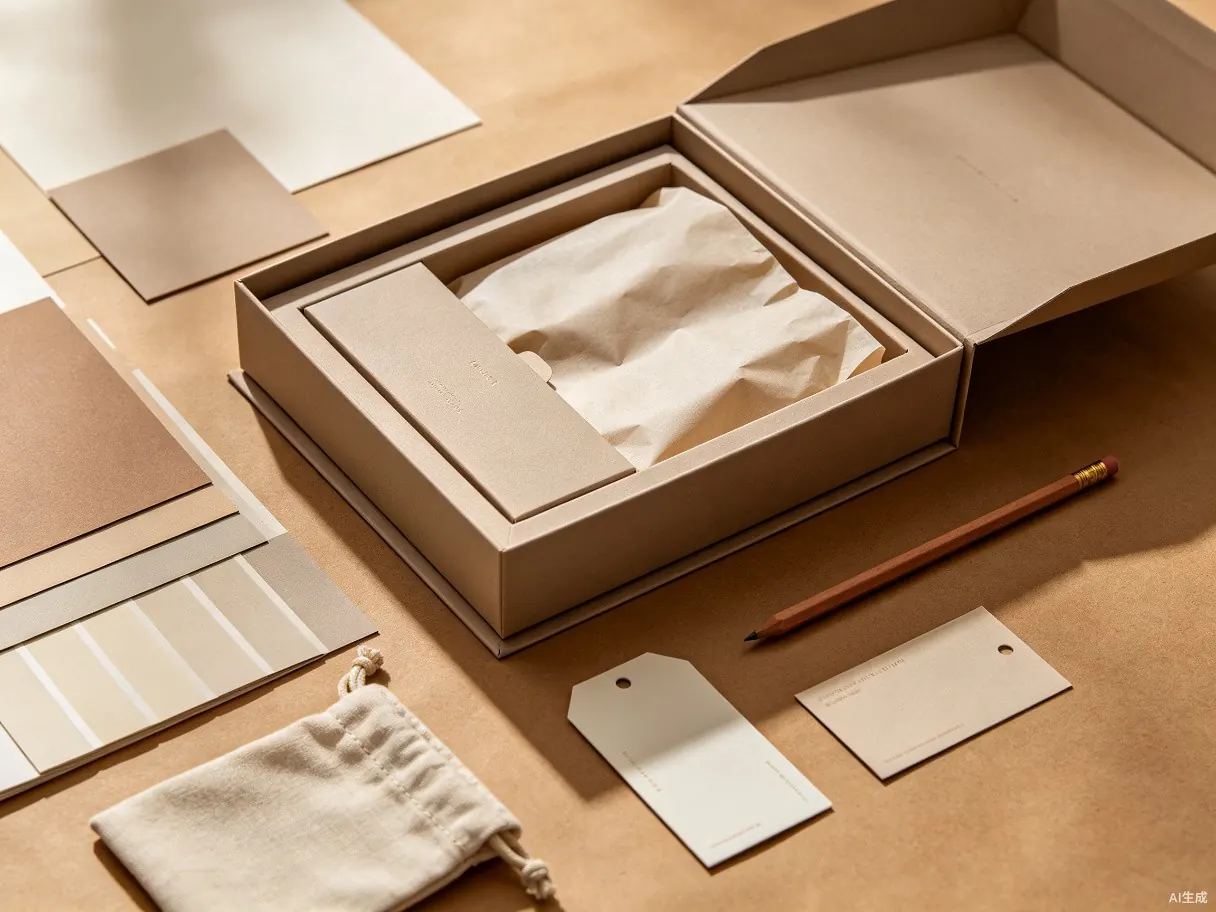
If you already know the structure, name it: rigid lid-and-base box, drawer box, folding carton, magnetic box, sleeve, paper bag, pouch, insert tray or mailer. If you are unsure, describe what the package must do. "Hold a 30 ml glass bottle upright inside a gift set" is more useful than "make it luxury."
Material preferences can be broad at the brief stage. You can mention matte paper, textured paper, kraft board, coated board, paperboard insert, molded pulp tray, foam insert, velvet wrap, ribbon pull, magnetic closure or soft-touch finish. Production review can then confirm what is realistic for your order quantity and budget.
Send artwork status and references honestly
If the logo is final, send vector files where possible. If artwork is not final, say so. A project team can still estimate a structure, but premium finishes such as foil stamping, embossing and spot UV require artwork review before final tooling. See the finishes guide if you are planning those effects.
Reference images are helpful, but they should be used to communicate structure, proportion, finish or mood. Do not assume a reference image can be copied directly. A stronger brief explains what to borrow from the reference: the drawer structure, the paper texture, the insert layout, the color palette or the level of branding restraint.
Packaging brief checklist
| Brief item | Why it matters |
|---|---|
| Product dimensions and weight | Controls box size, insert fit, board strength and shipping risk. |
| Target quantity or order range | Changes print method, tooling setup and MOQ feasibility. |
| Launch timeline | Determines whether a custom sample, digital proof or faster existing format is realistic. |
| Reference images or visual examples | Helps communicate format and finish, but should be translated into original specs. |
| Artwork files and finish ideas | Needed for foil, embossing, spot UV, dielines and color control. |
| Shipping and retail context | Changes protection requirements, barcode placement, display needs and outer carton planning. |
After the brief is reviewed, the next step is usually a structure recommendation, rough specification, target sampling path and questions about unresolved details. A good first sample should test fit, structure and finish direction before mass production.
Production note
This guide reflects the information FOLDLANE asks for when preparing packaging quotes and samples. Final pricing and lead time are confirmed after specs, sample needs, materials, tooling, artwork and quantity are reviewed.
Ready to quote a sample?
Send product size, quantity range, reference images and timeline. We aim to reply within 1 business day.